Minimalism: Simplify Life and Reduce Stress Effortlessly

Do you feel overwhelmed by the constant hustle and bustle of modern life? Can't you relax and unwind surrounded by chaos and chaos? It may be time to consider embracing a simpler life. Minimalism isn't just about decluttering your physical space; It'...

Latest News
Minimalism: Simplify Life and Reduce Stress Effortlessly

Do you feel overwhelmed by the constant hustle and bustle of modern life? Can't you relax and unwind surrounded by chaos and chaos? It may be time to consider embracing a simpler life. Minimalism isn't just about decluttering your physical space; It's also about simplifying your life to reduce stress and find greater peace and fulfillment. This blog post will explore how to incorporate minimalism into your daily routine and create a stress-free minimalist home.

What is Minimalism?

Minimalism is usually associated with decluttering and reducing materiality, but it extends far beyond that. It's about simplifying every aspect of your life, from how you spend your time to your relationships and mindset. At its core, minimalism is about mindfulness. It encourages you to prioritize the things that add value to your life and let go of all distractions to find peace and balance.

The power of intentionality 

Living with a positive attitude allows you to focus on what matters. This mindset can help make your choices more accessible and reduce decision fatigue, a common cause of stress. Life is less chaotic and more manageable when your home, schedule, and relationships align with your values. A minimalist approach allows you to live mindfully, eliminating unnecessary distractions that lead to excess.

How Minimalism Reduces Stress

Stress is often too much to handle-whether it's a messy home, a crowded schedule, or the emotional aftermath of an unhealthy relationship. Minimalism addresses this by encouraging the removal of excess. Here's how minimalism can directly reduce stress:

Minimalism in relationships

Minimalism is also about relationships. Maintaining a toxic or numbing relationship can be emotionally exhausting. Look at your relationships and focus on those that promote and support your well-being. Letting go of negative relationships will reduce emotional stress and provide psychological space for more meaningful interactions. 

A clutter-free surrounding

A turbulent situation can be depressing. Studies have shown that cluttered environments increase feelings of stress and anxiety. By decluttering your home and placing only items that serve a purpose or bring you joy, you can create a calm, organized living space that supports mental clarity.

Simplifying your schedule

An over-committed schedule leaves little room for relaxation or self-care, leading to burnout. You can reclaim your time by eliminating unnecessary responsibilities and learning to say no. This allows you to do things that promote wellness, such as a daily exercise routine, without feeling overwhelmed. Streamlining your schedule gives you more room for personal growth, self-reflection, and character development.

Minimalism and Physical Health: A Holistic Approach

Simplifying your life isn't just clearing your mind; It can also help your physical health. By reducing stress and making more time for self-care, you can lay the foundation for a healthier life. Here are some of the ways minimalism improves physical health:

Prioritize healthy habits

When you simplify your life, focusing on fitness habits that support your physical health is more accessible. For example, regular exercise, a balanced diet, and a healthy sleep schedule are more manageable when your life is more straightforward. Adding a daily exercise routine doesn't have to be complicated-something as simple as a 30-minute walk or yoga can boost your energy and help you stay active.

Healthy living tip: Focus on quality over quantity

Minimalism encourages you to think about quality over quantity. This principle can also apply to your diet, exercise, and association. Consider incorporating balanced, sustainable habits instead of focusing on a restrictive diet or intense exercise. Prioritize nutrient-dense foods and engage in physical activity that you can enjoy longer.

The relationship between stress and physical health

Chronic stress negatively impacts the body's health, contributing to conditions such as high blood pressure, digestive issues, and a weak immune system. By reducing stress by providing less, you can reduce these symptoms and improve your overall well-being. Practices such as mindfulness, meditation, and simple releases can promote relaxation, which directly impacts physical health.

Creating a Minimalist Daily Routine

man meditation at home

A leisurely lifestyle calls for routines that support simplicity and well-being. By creating a daily routine that prioritizes a healthy lifestyle, you can ensure that you care for your mental and physical well-being. Here's how to create a daily routine with minimalism in mind.

Morning Ritual: Start the day mindfully

Your morning routine sets the tone for your entire day. Instead of rushing out the door, set aside time for grounding activities. This can be meditation, light exercise, or a simple daily exercise program such as a sprint or bodyweight exercise. Starting the day with purpose reduces stress and establishes a calm, productive pace.

Make sure you use your time wisely

Minimalism promotes time management. Avoid over-crowding your to-do list with unnecessary tasks. Instead, prioritize activities that align with your wellness goals. Whether it's finding time to exercise, packing healthy meals, or setting aside moments to relax, mindful time keeps you out of control and keeps you going to meet your health and fitness goals.

Under the evening breeze: Easy exercise

Stretching at the end of the day is a vital fitness habit that reduces stress and improves physical health. Instead of indulging in stimulating activities like watching TV or scrolling through social media, consider having a more casual evening routine. This may include journaling, a calming herbal tea, or a few minutes of deep breathing exercises. By easing into the evening, you force restful sleep, which is essential for mental and physical health.

Minimalism and Imagination: The Perfect Pairing

Naturally, minimalism helps with mindfulness practices, and both encourage awareness, presence, and a deeper connection to life. Here are some ways to improve your mental and physical health by combining minimalism and mindfulness:

Get on a daily exercise routine

Instead of rushing into your daily workout routine as just another task on your to-do list, learn to be fully present during your workout. Whether running, practicing yoga, or lifting weights, focus on the sensations in your body, your breath, and your body's movement. This mindful approach can make exercise more enjoyable and effective and reduce stress.

Use gratitude

Minimalism teaches us to appreciate what we have instead of always striving for more. Daily appreciation practice can help shift your focus from scarcity to abundance. Being grateful for your health, body, and life creates a positive outlook that reduces stress and promotes well-being.

Mindful eating

Another key component of minimalism is mindful eating. Do not rush through a meal or eat before the screen and enjoy your meal. Pay attention to how your food tastes and looks and how your body reacts to it. This increases your relationship with food and contributes to good nutrition and overall health.

Conclusion

Taking small steps as a lifestyle can profoundly affect your mental and physical well-being. By simplifying your life, you reduce stress, make room for meaningful activities, and develop healthy lifestyle habits that support your overall well-being. A chaos-free environment, structured relationships, and a balanced daily routine allow you to focus on what really matters, including staying physically healthy and active. Whether you're seeking appropriate lifestyle counseling or a long-term lifestyle change, minimalism balances, satisfies, is stress-free, and is health-oriented. It provides a holistic approach to life.

Daily Fitness: Simple Ways to Stay Active Every Day

Achieving and maintaining a healthy lifestyle is about more than just occasional exercise; It's about incorporating fitness into your daily life. Small, sustainable changes can boost physical health, improve mental well-being, and develop long-lasting fitness habits. Below, we explore practical ways to incorporate fitness into your daily routine, offering tips for staying active and maintaining a balanced lifestyle.

Start With a Clear Goal

Setting clear and achievable goals is one of the most critical steps to incorporating fitness into your daily life. Whether you're losing weight, building muscle, making radical changes, or improving your overall health, having a specific goal helps you stay motivated.

Healthy living tip:

Break down your long-term goals into small, achievable steps. For example, if you aim to run a 5K, start with a short walk or jog and gradually increase the length and intensity of your workouts. This gradient makes the journey less challenging and ensures you are always moving forward.

Develop a Daily Exercise Routine

Creating a consistent daily exercise routine is essential to maintaining physical health. Routines provide structure and ensure you have time to exercise even when life gets busy. The key is to find a workout you enjoy so fitness doesn't feel like work.

Healthy living tip:

Plan your workouts like any other important activity. Try incorporating cardio, strength training, flexibility exercises, and other activities to keep things exciting and target different muscle groups.

Here is an example of a daily workout routine that includes exercise components:

Morning (10-15 minutes):

Start the day with a brisk walk or light stretching. This helps to wake up your muscles, circulate blood, and set a positive tone for the day.

Afternoon (15-20 minutes):

Do moderate cardiovascular exercise like cycling, jogging, or HIIT (high-intensity interval training) for a short period during or after your lunch break work.

Evening (10-15 minutes):

Wind down with a strength training program focused on bodyweight exercises like squats, push-ups, and planks.

When it comes to daily exercise, consistency is more important than intensity. Even if you only have 10 minutes, take that time to get up quickly. Small, routine activities can add up over time and significantly impact your health.

Incorporate Movement into Your Daily Routine

women walking in the park

You don't need to spend hours in the gym to stay active. One of the most effective ways to incorporate fitness into daily life is to incorporate movement into daily routines.

Here are some examples:

  • Take the stairs instead of the elevator.
  • Instead of driving, walk or bike to nearby places.
  • Exercise while watching TV or picking up the phone.
  • Do bodyweight exercises like squats or lunges while cooking or waiting for your coffee to brew.

These short bursts of activity may seem insignificant, but they contribute to overall health by increasing your daily activity level and helping you develop the habit of movement.

Prioritizing Active Leisure Time

Your free time gives you the perfect opportunity to be active. Instead of spending hours in front of the TV and computer, find activities that keep you moving and allow you to relax and enjoy yourself.

Consider:

Outdoor recreation:

Walking, swimming, sports, or hobbies are great ways to stay active.

Lifestyle fitness:

Join a group fitness class, take a yoga class with friends, or join a local recreational sports team. Exercising with others can boost your motivation and make exercise more enjoyable.

Family strength:

Include your family in physical activity such as walking, biking, or playing in the park. Teaching kids the importance of being active is a great way to build relationships.

Incorporating fitness into your leisure time makes exercise a natural part of your life instead of a separate and tedious chore.

Emphasize Healthy Habits Over Exercise

A healthy lifestyle involves more than exercise. It's essential to develop wellness habits that support your overall health, e.g.

A balanced diet:

Feed your body a well-rounded diet of whole foods, lean proteins, fruits, and vegetables. Good nutrition helps you build energy and helps muscles recover after exercise.

Hydration:

Drinking enough water is essential for optimal metabolism and overall well-being. Staying hydrated keeps your muscles functioning properly, improves digestion, and helps keep your skin clear.

Sleep:

Aim for 7-9 hours of sleep per night. A good night's sleep is crucial to your recovery and mental clarity, especially if you incorporate regular exercise into your routine.

Mental stress and stress management:

Incorporating mental wellness practices such as meditation, deep breathing exercises, and mindfulness can reduce stress, improve focus, and keep you motivated on your fitness journey.

These fitness habits work hand in hand with exercise to support a healthy and balanced lifestyle.

Staying Active At Work 

Many people struggle to maintain their physical health due to their sedentary work. However, there are some simple ways to inject activity into your workday:

  • Stay or walk anywhere during the teleconference. If possible, use a standing desk or take a break to walk.
  • Exercise regularly to prevent blood clots and improve circulation, especially if you are sedentary.
  • Take the stairs instead of the elevator, and try to walk for at least a few minutes every hour.

By finding ways to stay active at work, you can combat the adverse effects of sitting for long periods and incorporate movement into your daily routine.

Make Fitness a Social Activity

Including others is one of the most effective ways to stay motivated in your workout routine. Having a workout partner or group adds responsibility, making it harder to miss a workout. You also create a sense of community, making exercise more enjoyable.

  • Join a fitness group or sign up for a group fitness class. Whether it's a yoga studio, a local running club, or an exercise class, social fitness can help keep you active.
  • Invite a friend or family member to work out with you. You can motivate each other, share achievements, and celebrate accomplishments together.

Celebrate the Progress and Stay Positive

Finally, it's important to celebrate your achievements, no matter how small. Recognizing your accomplishments helps keep you positive and encourages you to keep going. Focusing on what you haven't accomplished is easy, but focusing on the small victories can make the journey more enjoyable and sustainable.

Healthy Living Tip:

Keep an exercise log, track your workouts, and record your feelings and progress. This will help you see how far you've come, and you can inspire during tough times.

Conclusion

Integrating fitness into everyday life doesn't have to be complicated or time-consuming. You can stay active and improve your overall physical health by setting clear goals, establishing a daily exercise routine, incorporating movement into various daily routines, and focusing on a holistic quality of wellness. Remember that consistency is the key to a healthy lifestyle. Even small, consistent actions can make a big difference in the long run, helping you develop lasting habits that support your fitness and well-being.

Embrace the journey of incorporating fitness into your daily routine, and you'll soon find that being active will become a natural and enjoyable part of your life.

Steps to Build a Daily Routine for a Well-Balanced Life

Achieving a balanced life in today's fast-paced world can feel overwhelming, but often, the key is having a consistent daily routine. A structured routine provides clarity and focus, helping you manage time more effectively and make room for what matters most: health, relationships, personal growth, and relaxation. By focusing on time management strategies that incorporate healthy habits, you can create a routine that promotes productivity and work-life balance. This article will give you daily routine tips and show you how to make a daily routine for a balanced life.

Understanding the Importance of Daily Routine

A daily plan is a way of managing your day in a way that is consistent with your values and goals. It brings structure to your life, allowing you to allocate work, exercise, relaxation, or family time. Without a plan, it's easy to get caught up in day-to-day distractions and lose focus on essential tasks.

Additionally, routine helps create consistency, essential for developing good habits. You reinforce the pattern of good habits by doing valuable things repeatedly-such as exercising, eating healthy foods, or practicing mindfulness. Over time, these habits become second nature, helping you live a more balanced life.

1. Start with Your Priorities

Before you begin crafting your daily routine, take some time to reflect on your priorities. What are the most critical aspects of your life to which you want to dedicate time? Consider categories such as:

2. Health:

Physical exercise, mental well-being, and nutrition.

3. Work:

Career goals, professional development, and productivity.

4. Relationships:

Quality time with family, friends, and loved ones.

5. Personal Growth:

Learning, hobbies, and self-improvement.

6. Rest and Relaxation:

Leisure activities, sleep, and downtime.

Once you've identified your priorities, you can begin organizing your day around them. This will ensure that your routine is productive and meaningful, helping you achieve a balanced lifestyle.

Break Down Your Day into Blocks

One of the most effective daily routine tips is to divide your day into time blocks. Time blocking allows you to assign specific tasks or activities to set periods. This helps to avoid multitasking, leading to reduced productivity and increased stress. Here's how you can divide your day:

1. Morning Routine:

Many successful people emphasize the importance of a productive morning. Start your day with activities that set a positive tone, such as exercise, meditation, or journaling. Eat a nutritious breakfast and plan your day. Your morning routine lays the foundation for a productive day.

2. Work Blocks:

During working hours, focus on high-priority tasks first. Break down your workday into chunks of focused time followed by short breaks. This method, known as the Pomodoro Technique, helps improve concentration and reduce burnout.

3. Afternoon Reset:

Midday is a great time to reassess your progress and adjust your plan. To refresh your mind and body, incorporate a healthy lunch, a short walk, or a few minutes of stretching.

4. Evening Routine:

The evening is a time for winding down and preparing for the next day. It is also ideal for engaging in hobbies, spending time with family, or enjoying a relaxing activity. To improve sleep quality, it is important to avoid screens for at least an hour before bed.

Include Good Habits

a girl is doing meditation on yoga mattress

A balanced life depends mainly on incorporating good habits into your routine. These habits enhance physical, mental, and emotional well-being, giving you more incredible energy and focus. Here are some essential habits to consider.

1. Exercise regularly:

Exercise is essential for physical health and mental clarity. Aim to incorporate at least 30 minutes of exercise into your daily routine, whether walking, yoga, running or strenuous activities like lifting weights.

2. Eat a balanced diet:

Good nutrition plays a vital role in maintaining energy and focus. Plan meals so that they are balanced and nutritious. Focus on whole foods like fruits, vegetables, lean proteins, and whole grains.

3. Get enough sleep:

Sleep is often overlooked but essential to your well-being and mental health. Make it a priority to get 7-9 hours of sleep per night, and create a routine before bed that tells your body it's time to wind down.

4. Practice mindfulness or meditation:

Mindfulness helps reduce stress and increase mental clarity. Taking just a few minutes a day to breathe or meditate can profoundly affect your mood and performance.

Manage Your Time Wisely

Time management is essential to creating routines that support a balanced life. When time is scarce, it's easy to get bogged down, leaving essential tasks unfinished as time goes on. Here are some tips for managing your time.

1. Set clear goals:

At the beginning of each day, set your priorities. What should they do today? Setting clear goals keeps you focused and ensures important tasks are completed.

2. Avoid procrastination:

Make big projects less daunting by breaking them down into smaller, more manageable steps. A procrastination period is usually when you feel a task is difficult, but you can work on it step by step and make constant progress.

3. Learn to say no:

Over commitment is a common source of stress and imbalance. Prioritize your time and say no to tasks or requests that don't align with your goals or values.

Use planners or digital tools: Whether you prefer a physical planner or a digital calendar, organizing your tasks and activities ensures you stay on task. Tools like Google Calendar, Todo list, and Trello can help you better manage your time.

Cultivate Work-life Balance

Achieving work-life balance is an important part of living a balanced life. This includes managing work responsibilities as well as making time for personal and family activities. Here are some ways to create a better work-personal balance:

1. Set boundaries:

One of the most important aspects of work-life balance is establishing clear boundaries between work and personal time. Avoid checking emails or working on errands when you're off the clock. This allows for a clear separation between work and personal life, allowing you to immerse yourself in both fully.

2. Use breaks wisely:

To avoid burnout, take short and frequent breaks during the workday. Use this free time to stretch, take a short walk or practice mindfulness. These activities fuel your mind and body, keeping you productive throughout the day.

3. Prioritize your personal time:

Make sure your daily routine includes time for activities you enjoy outside of work. Whether it's spending time with loved ones, hobbies, or just relaxing, personal time is essential to maintaining balance and avoiding burnout.

Stay Flexible

While routine is incredibly beneficial, it's important to remain flexible. Life can be unpredictable, and sometimes things don't go as planned. Changing your routine and making adjustments when necessary is essential to maintaining a balanced life. Don't get too hard on yourself if you've missed a workout or don't do everything on your to-do list. The key is to remain consistent over time and adjust when necessary.

Summing Up

Creating a daily routine is one of the most effective ways to achieve a balanced life. By focusing on healthy habits, time management, and work-life balance, you can create a routine that supports your health and personal goals. Start by identifying your priorities, dividing your day into chunks, and consistently incorporating activities that improve your physical and mental health. With these daily tips, you will be on your way to a productive, fulfilling, and balanced life.

5 Simple Exercises to Improve Heart Health

Maintaining a healthy heart is important for overall well-being, and regularly incorporating exercise into your daily routine is the most effective way to achieve this. Living a lifestyle upward is never more important. This article explores five simple exercises that can dramatically improve your cardiovascular health while also providing other benefits, such as increased blood pressure and better cardiovascular fitness.

Understanding Heart Health and Why It Is Important

Before starting the exercises, it's essential to understand why heart health is important. The heart is the body's most crucial organ, responsible for pumping blood and supplying oxygen and nutrients to tissues. Poor heart health can lead to various serious issues, including heart disease, hypertension, and stroke. Regular heart-healthy exercises can be a proactive approach to reducing these risks.

The Impact of Lifestyle Choices

Everyday choices can profoundly affect heart health. Factors such as diet, exercise, smoking, and stress management all play important roles. Focusing on heart-healthy habits can significantly reduce the risk of heart disease.

The Role of Regular Exercise

Exercise is one of the most effective ways to improve heart health. It strengthens the heart muscle, improves circulation, and lowers blood pressure. Additionally, regular exercise helps you lose weight and boost your mood, contributing to your overall well-being.

Benefits of Exercising Daily

Exercise provides many benefits that contribute to good heart health. Some of the most important ones are:

1. Improved circulation:

Regular exercise helps to raise blood pressure, reduce blood clots, and improve overall heart health.

2. Lowers blood pressure:

Engaging in physical activity can help control blood pressure, reducing the risk of hypertension.

3. Weight management:

Maintaining a healthy weight reduces heart stress and your risk of heart-related conditions.

4. Stress reduction:

Exercise is an effective stress reliever, helping to control anxiety and depression, which can negatively affect heart health.

5. Increased cardiovascular fitness:

Regular exercise strengthens the heart muscle, improving blood flow.

With these benefits in mind, let's explore five simple exercises that can help improve your heart health.

1. Walking

woman walking in the park, holding water bottle

Walking is one of the easiest and most effective forms of heart-healthy exercise. It requires no special equipment and can be done anywhere.

How to do it:

  • Aim for at least 30 minutes of brisk walking most days of the week.
  • Start comfortably and gradually increase your pace as your fitness improves.
  • Consider using a pedometer or fitness app to track your steps and set daily goals.

Benefits:

Walking improves circulation, lowers blood pressure, and promotes weight management, making it one of the best heart health exercises. Plus, it's a low-impact activity accessible to all fitness levels.

2. Cycling

Cycling is another great way to boost cardio fitness while enjoying the outdoors. Whether you choose to ride a stationary bike or cycle through your neighborhood, this workout can be customized.

How to do it:

  • Aim for at least 150 minutes of moderate-intensity biking each week.
  • Include alternating intervals of fast and slow movements to challenge the cardio and improve endurance.
  • When cycling outdoors, choose safe routes that you enjoy.

Benefits:

Cycling helps improve blood circulation and lower metabolism. It's also a fantastic way to exercise cardiovascular without putting too much stress on your joints.

3. Swimming

Swimming is a full-body workout that engages multiple muscle groups, making it an excellent choice for improving cardiovascular health. Fluid resistance provides a unique challenge, building cardiovascular fitness.

How to do it:

  • Aim to swim for at least 30 minutes at a moderate pace twice a week.
  • Experiment with different strokes to make your workout unique and interesting.
  • If you are new to swimming, consider joining a local swim club or taking lessons.

Benefits:

Swimming improves blood flow and eases the joints, making it an excellent form of exercise for people of all ages and fitness levels. It is also a great option for individuals with arthritis or joint pain.

4. Strength Training

Although cardiovascular exercise is often emphasized for cardiovascular health, strength training is just as important. Building muscle helps increase metabolism and improve overall workout effectiveness.

How to do it:

  • Add strength training exercises to your routine at least two days a week.
  • Focus on major muscle groups using bodyweight exercises like squats, lunges, push-ups, and planks, or use weights if you can find them.
  • Aim for 8-12 reps per workout, allowing for rest between sets.

Benefits:

Strength training builds cardiovascular fitness, aids in weight loss, and helps maintain bone density. It's a fantastic way to balance your workout routine and promote heart health.

5. Dancing

Dancing is a fun and exciting way to get your heart rate up while enjoying the music. Whether taking a class or just throwing up indoors, dancing offers many benefits over-exercise.

How to do it:

  • You can join a dance class in your community, such as Zumba, salsa, or hip-hop, or simply dance at home.
  • Aim to dance for at least 30 minutes a few times a week.
  • Focus on going for the rhythm, incorporating different techniques and moves to keep things interesting.

Benefits:

Dancing strengthens the cardiovascular system, promotes balance and efficiency, and promotes mood. It's a social activity that can also help reduce feelings of isolation and loneliness, which is great for mental health.

Tips for Incorporating Cardiovascular Exercise Into Your Routine

1. Set realistic goals:

Start with achievable goals, such as adding a 10-minute walk to your daily routine, and gradually increase as your fitness improves.

2. Find activities you enjoy:

Pick a workout you enjoy, as you are more likely to stick with it for a long time.

3. Make it social:

Exercising with friends or family can make exercise more enjoyable and motivate you to stay committed.

4. Listen to your body:

Pay close attention to how your body feels during and after exercise. Change your routine or see a healthcare professional if something doesn't feel right.

5. Stay consistent:

Consistency is the key to reaping the benefits of exercise. Aim to incorporate a variety of heart-healthy exercises into your weekly routine.

Conclusion

Improving your heart health doesn't have to be complicated. By incorporating these five simple exercises into your routine, you can increase your cardiovascular fitness, improve your blood pressure, and reap the many benefits of exercise Remember it exercise not only requires you to maintain a heart-healthy lifestyle but a balanced diet, adequate sleep, and how well you manage stress levels occur. Make heart health a priority today, and you'll be on your way to a healthier, happier life!

Ring Doorbell Cameras - Dig Deeper Into The Security Features

Doorbell cameras were once reserved for the wealthy and affluent people, but this is no longer the case in 2022. Today, everyone is concerned about their privacy and wants to secure themselves and their valuables from prying eyes. This made installing security systems and equipment more common than ever before. When it comes to home security, it always starts at the front door. Whether you’re at home or not, you should always know who’s knocking on the door. This is why people install a smart doorbell camera and keep track of all the activities that take place behind their back. While buying the front door surveillance, Ring is the name that pops in mind. 


The Ring is an Amazon-owned brand that has gained a significant market share and has become one of the most well-known and established brands offering outstanding home security systems. Ring doorbell cameras are one of its components that are highly recognized for excellent protection. Installing the Ring doorbell is an easy and effective way to improve security. In this article, we are going to discuss more about Ring doorbell cameras. Our team of experts has tested various Ring video doorbells and brought you an honest opinion on the series. Here we will share what we have discovered. This will help you find out whether Ring doorbells are a worthy investment. 


Ring Doorbell Cameras Sneak Peek


What We Like:

1. Sleek and modern design

2. Easy to use mobile app

3. Wide field of view 

4. Reasonable price

5. Great motion tracking

6. Both wired and wireless options 

7. Numerous options for selection


What We Don’t Like: 

1. Low-quality speaker

2. No free video storage 

3. Person detection needs subscription


Ring Doorbell Cameras Comparison: Which One Should You Buy?


Ring is a top brand that offers multiple models to choose from. Its smart doorbell cameras differ in price and functionality, making it a tedious task to pick the best one. This is why we have compared all the cameras and displayed them to you in the easiest manner. Check out the table and see which product has what to offer.


Basis

Video Doorbell Video Doorbell 2020 Releas Video Doorbell Pro Video Doorbell 3 Video Doorbell 4 Video Doorbell Pro 2  Video Doorbell Elite
Price $59.99 $99.99 $169.99 $179.99 $199.99 $249.99 $349.99
Power Source  Hardwired Rechargeable Battery or Hardwired Hardwired Rechargeable Battery or Hardwired Rechargeable Battery or Hardwired Hardwired Power over Ethernet
Two-Way Talk Yes Yes Yes Yes Yes With+Audio Yes
HD Video with Night Vision Yes Yes Yes Yes Yes 1536p HD+Video Yes
Built-In Alexa - - Yes - - Yes -
Greetings              
Enhanced Duel-Band Wifi - - Yes Yes Yes Yes Yes
Artificial Intelligence - - Person detection with plans - Pre-Roll viewing - Person detection with plans
Motion Detection and Alerts Yes Yes Yes Yes Yes +3D Motion Detection Yes
Cloud Storage 60 Days With Protect Plans 60 Days With Protect Plans 60 Days With Protect Plans 60 Days With Protect Plans 60 Days With Protect Plans 60 Days With Protect Plans 60 Days With Protect Plans


Ring Smart Doorbell Camera Features That You Must Consider


Regardless of which security camera you get your hands on, you will get access to a handful of features that will uplift your experience and provide you with better protection. Here are some of the significant features you must consider while buying video doorbell cameras


- Sleek Design: Ring smart doorbell camera is ultra-slim and has a space-saving design. Its polished look is eye-pleasing and goes perfectly with the aesthetic of the property. Apart from looking great, the slim design is easy to install. 

- HD Resolution Video Recording: Video is the core of any doorbell camera, and Ring takes extra care of it. The brand ensures quality footage that helps get a clear look at people’s faces. The Ring devices offer 1080p HD resolution images to have a better view. 

- Two-Way Talk: When it comes to front door video surveillance, audio is another critical aspect that you must consider while picking the right product. Hence, Ring designs all its products with two-way talk functionality. This allows the owner and visitor to talk to each other even when they are not physically present. 

- Unbeatable Mobile App: The mobile application is one of the most prominent features of Ring doorbell cameras. It allows you to get real-time notifications, makes it easy to connect with other security devices, and allows you to control the privacy of your home. Using the app, you can get complete control over the surveillance device. 

- Alexa Greetings: Ring smart doorbell camera has built-in Alexa Greetings that makes the product stand out from the competitors. This feature allows Alexa to greet all the people at the door and give a message. You can also provide instructions for leaving the parcel outside or informing the people that you can’t come to the door. 

- Night Vision: Video surveillance cameras are meant to record all the activities and capture the visitors stopping by, both day and night. This is why all the Ring devices are equipped with a night vision feature that allows the camera to record even when it's dark outside. The cameras have LED sensors installed for clear vision at night time. 

- Cloud Storage: Storage is one of the features that people are highly concerned about while buying a security surveillance system. When it comes to video doorbell cameras, storing all the footage becomes more important. When we talk about the Ring cameras, it provides the users with both local as well as cloud storage. Cloud storage provides more space and security to the recordings. 


Ring Doorbell Cameras Monitoring Plans


To get the most out of your Ring Doorbell Cameras, you can buy a comprehensive subscription service. It will help you get access to incredible features and let you save, review, and share the video that the camera has captured. Here we are going to explain more about these monitoring plans. 


Ring Protect Basic:

As the name suggests, it is the basic plan that will let you record the video for one surveillance camera or doorbell. It costs $3 per month and $30 if you pay for a year. Some of the incredible features it offers include:


1. Check Video History For 60 Days

2. Capture Snapshot

3. Spots A Person

4. Rich Mobile Notifications 

5. Video Saving And Sharing


Ring Protect Plus:

This monitoring plan is one level above the basic plan. It is useful in recording videos and footage for all devices. The Ring Protect Plus plan costs $10 for a month and $100 for an entire year. When it comes to features, it includes all the offerings as the basic plan and some additional features, that include:


1. Extended warranty on all devices 

2. 10% off on purchase from the official website and Amazon  


Ring Protect Pro:

Ring Protect Pro is the highest level of the monitoring plan that allows the user to make the most of their security camera. It starts at $20 per month and $200 per year and can go up according to the add-on services. Some of the additional features that you will get besides the Ring Protect Plus plan are:


1. 24/7 Professional Monitoring

2. Alexa Guard Plus

3. 24/7 Backup With Extra Storage 

4. Exceptional Digital Security

5. Alarm Cellular Backup

6. Discount On Home Insurance 


Expert Opinion: Final Verdict 

Wondering what we think of Ring doorbell cameras? While looking at all the products and their features, we found it is a great investment. Having it installed will help you answer the door from anywhere in the world. They are convenient and offer peace of mind whether you are at your home or away. Ring surveillance is the next-generation doorbell security system with great features to secure your home or workplace. 


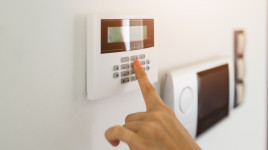
The Best Burglar Alarm System in the USA

The top burglar alarm system in the USA for the home depends on the personal preferences, the budget, the location of the house, and what level of response and protection you are looking for. Through this guide, find out the most crucial things you require to know before purchasing a burglar alarm system in the USA.


1. Bells-only Burglar Alarm System


When a bells-only alarm is triggered, it emits a loud noise, which alerts someone in the locality to the situation or scares any intruders. These are the most common varieties of alarm systems. They are favored by more than a majority of the consumers. But, unlike a smart, dialler, or monitored alarm, it will not contact the police or a named person. Thus, there is no guarantee that any actions will happen if you are not at home. It is worth pondering about the type of location you live in before deciding to purchase a bells-only alarm. Is there any active neighborhood watch that provides you with the confidence that someone will call the police in an emergency? If not, do you have relatives or friends who live nearby who you can count on to take the appropriate actions? You can set up these alarms yourself. You can also pay a one-time cost to have it installed by a pro.


2. Dialler Burglar Alarm System


If you are not happy with the thought of relying on any neighbor to tell you if the alarm goes off, you could try a dialler alarm, which is also called an auto dialler. While these kinds of alarms, the dialler contacts the user, or nominated family and friends, when the alarm is triggered. This means that the user can contact the police or ask any neighbor to prod the issue. Many dollar alarms also permit the user to program a list between two and nine phone numbers, which will be called in the order you set. The first individual it successfully contacts is also the last number it contacts. Many more hi-tech models also alert the user if there is a flood or fire in the house or connect to a panic button. There are a couple of types of dialler alarms. The speech dialler utilizes the phone to call the numbers assigned by the user. The GSM diallers utilize the mobile network signals, so the user does not require a phone line.


3. Smart Burglar Alarm System


Smart security systems connect to your tablet or the smartphone or those of the family members. This means that they or you will be alerted whenever the alarm is triggered. The systems also permit you to control the smart security from the phone, even when you are not home. Not many consumers have a network-connected smart alarm, but the segment is growing rapidly. The users will typically require a central hub that will connect to all the other compatible equipment through Wi-Fi, in the same manner, that a standard alarm connects to the sensors at your house. The user can then connect the contact and motion detectors, as they would with a usual alarm, but also with other smart devices, such as smart locks and wireless security cameras.


Many users install a smart security system on their own. But, keep in mind that they are costly and start at more than $250. Several smart alarms also do not come with any external sounders or any box on the wall to be a visual deterrent. You will have to get one at extra cost. Poor security can leave any smart security system open to hackers as a smart product.


4. Monitored Burglar Alarm System


Suppose you would like more peace of mind that a problem at your house will be dealt with rapidly. In that case, you could try a burglar alarm with a particular monitoring contract. The user can get monitoring contracts for wireless or wired alarm systems, including smart and dialler alarm systems. With many monitored alarms, the installation and the alarm itself must conform to a particular standard. This means that the user will not install the device themselves. There are some types of monitoring contracts: security, police, or keyholder response, along with the premium package of a private security response. In all cases, the user pays an annual or monthly fee, and the monitoring firm will take action when the alarm is set off.


The alarm system connects to a particular receiving center, which is notified whenever the alarm is triggered. The receiving center will call the contact number to verify the password. If no one answers or is inaccurate, it will take the appropriate action. This is to inform the other keyholders, inform the police or send any private security team, depending on the type of contract you have. The price can be high when the user signs up for any monitoring contract. Also, only a small minority of people would pay for any monitoring contract. This shows that they are far away from a big part of any effective alarm setup.


5. Keyholder Burglar Alarm System


The keyholder monitoring is done through a firm that will respond when the alarm is triggered or dial-up any nominated keyholders. These firms typically also give maintenance contracts and check remotely for problems. Just ensure that you receive a breakdown of the extra costs before purchasing anything. The nominated keyholders typically must live within half an hour of the home, drive, and have the required access to the home. The user's responsibility is to keep the alarm firm up to date with the details and give alternatives if they are away. Several alarm installers did not believe that monitoring contracts with the nominated keyholders were better than having a dialler. This is because there is also an annual cost involved. But, the round-the-clock service given by monitoring may make the user feel more secure. The firm will be liable if no action occurs in the vent of any burglary.


6. Police Burglar Alarm System


In this type of contract, the receiving center will contact the police department whenever the alarm is triggered. If the user wants this type of contact, it is vital to check that the firm you choose is registered with the police force present there. When the alarm sets off, a couple of indicators with the home, such as a motion sensor and a door contact, must have been triggered to warrant a police call-out. This is to prevent any false alarms around the house, which waste the time of the police. Many house alarm activations in recent times have been false alarms. If the system has more than two false alarms in a year, you can get struck off the police register, and they will not respond if the alarm goes off. Users should also note that paying for the service does not guarantee that the police force will come.


Whether police go to the house and how rapidly depends on what other incidents occur and what resources are present. But if they are certain that there is someone on the premises, it is a bigger priority.


7. Private Burglar Alarm System


Some firms have a private security response service. This involves the firm deploying a security guard to the house to investigate whenever the alarm is triggered. If you have a big house with many valuables, this might be worth thinking about. For many individuals, this is more than what they require for themselves.


Conclusion


Regular maintenance should reduce and highlight the defects with the usual burglar alarm systems, giving the user peace of mind and allowing more redress if anything goes wrong. If the users get a burglar alarm maintenance contract, the alarm will be checked yearly. It can also be twice a year if the user has a police-monitoring contract either by an installer coming to your house or remotely. The costs for this differ, particularly as the user can get varying maintenance levels, such as additional accessories or free call-outs.


Six Simple And Creative Ideas For Your Next Party

Have something to celebrate? Why not throw a party? There are thousands of really creative party ideas available online that are truly inspiring and makes you want to throw a party just for the sake of having one! I have compiled a list of the best ones that are fun and easy to do. Be sure to include these in your next party. 

1. Cotton candy bar

This is a really unique idea that you can add to any party. The kids will love it and so will the adults. It’s cute and is very easy to set up. It’s all in the arrangement, the accent decorations and the furniture that you will be using. Create your own cotton candy bar next time. It doesn’t even have to be cotton candy. It can be a hotdog bar or a fruit bar. Run with the idea. 

2. Let the ice do the talking

This is just genius. Instantly liven up the place without even trying. Fill up tiny water balloons with water and put them in the freezer. Once they’re ready, serve your balloons in a clear glass container so they’ll be on full display and everyone will see how amazing they are. Place your drink in the middle and voila, you’re good to go. It’s certainly a fun way to serve drinks and it’s super easy, anybody can do it.

3. Dress up fruits

A really fun way to make fruits appetizing is to dress them up. I’m thinking these pirate bananas didn’t live very long in their trays. They’d be gobbled up in a minute. And I have to say this, it’s a clever way to make people eat something healthy at a party. I personally have never seen bananas served in a party before but there’s always a first time. I’ll be sure to try this during a children’s party with some other fruits.

4. Colorful party supplies make all the difference

A really basic way to inject fun in a party is to have colourful party supplies. You can have colourful paper straws, colourful wooden spoon and forks, colourful cups and plates. For this particular picture, the party host cut a small piece of tape and placed it around one end of the straw to create a tiny flag. You can see that the flags have printed text on them. That’s one way of personalizing your party supplies. Adding little touches like that will make all the difference.

5. Hanging umbrellas as party decorations

I wish I could have been at this party to see all the umbrellas. Who would have thought umbrellas could be used as party decorations? And what’s more is that it’s not that complicated at all. Put up a few wires across the ceiling and hang the umbrellas upside down. You can arrange them at varying heights to add more texture and drama. It’s also a nice touch to have different patterns on the umbrellas to instantly dress up the party. It’s such a wonderful idea and if you do this, your party will be the talk of the town for weeks, guaranteed.

6. Unconventional ways to display balloons

Balloons are the life of the party. As a kid, I loved having balloons in a party. And in this particular photo, the host attached all the balloons to the party favors and arranged them on top of the table. It just looks so cute and I’m 100% sure that all the little girls who were at this party had a blast.

So there you are, six new party ideas you can try and recreate to make your own one-of-a-kind party. They are easy to do and they don’t take a lot of time to prepare. As they say, less is more. If you’re throwing a party anytime soon, be sure to check out all the amazing party supplies at Partiesonline


Things to Consider before Converting your Loft

A loft conversion can be a great asset to any home, creating an additional bedroom, den or study for the family to enjoy. The great thing about loft conversions is that they provide the same great space that is offered with an extension, however they don't always need planning permission and usually require a lot less work - reducing costs significantly.


A Thousand Questions to Ask before Planning 


Ideally the area between the floor and ceiling needs to measure 2.3 metres or more to ensure adequate headroom. How steep is your roof? - In order to not require planning permission, you cannot extend the height of the highest point of your roof. If you have a steep roof you're more likely to have a much bigger space and may be able to install a mezzanine level for a sleeping area, whilst still keeping the floor space in the main part of the conversion.


If you're using the room for a study, will the desk fit once the windows and stairs have been installed? Will the bed be accessible from both sides? Can you easily fit enough plug sockets in the room? Is it sound proof - can you hear the neighbours or the rest of the house from the attic and will they be able to hear you? Is there enough room for radiators or a heating system - will your current boiler be able to handle the additional radiators?


Why are you choosing to install a loft conversion? - Is there a new addition to the family? Do you require a study or playroom? Is it simply a man cave or den for gaming? How much will the room be used - will it still be being used in five years' time? If you're installing a bedroom because your children are too old to share think about how long it will be till the eldest leaves home or moves on to University and what the room would be used for when that happens.


When you replace your loft or attic with a room you lose a lot of storage space - have you planned for this? Are you going to have to pay for alternative storage or can you get away with using the space that is available after the conversion is finished? - For example, if your roof has a deep slope it will be impossible to 'live' in some areas as the ceiling will be so low but it will make for perfect storage!


Installing a 'Loft Friendly' Bathroom


If you're installing a bathroom, will it severely compromise the size of the room - does it fit comfortably in a corner or does it jut out into the room? Can you stand up at full height and still have a couple of feet until the ceiling - would a shower, with a raised tray, fit? - Is it easy to install a water and waste pipe? Is there enough natural light - are you going to have to install an extensive lighting system - could you place a sky light above the bathroom to make it feel bigger?

Think about installing a wet room instead of a bathroom, especially if your ceiling is particularly low, as a shower or bath can take a foot or so away from the height of the room. If a wet room isn't for you try to choose a shower with a low set water catchment tray or a lightweight bath. Furnish the bathroom with undersized fixtures, especially if the bathroom is small. The small fixtures will make the room feel bigger overall.


Once you've really done your research and determined how well the existing loft space will let itself to your desired outcome, you can get to the fun part: design! Depending on your budget and location there will be many ways to make your loft what you've always wanted it to be.